


One of your main concerns as a pet owner is keeping your dog happy and healthy. Vaccinations are one of the most crucial strategies to shield your dog from dangerous, frequently fatal illnesses. By stopping the transmission of diseases, vaccines not only protect your dog from dangerous diseases but also improve community health. Knowing which vaccinations are necessary for your dog is important, regardless of whether you are a breeder overseeing a litter, have a small puppy, or an adult dog.
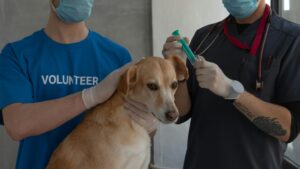
The necessary vaccinations for your dog, the suggested vaccination regimens for pups and adults, and what to anticipate at a vaccination session will all be covered in this extensive guide. After reading this blog post, you’ll know when to schedule your next veterinary appointment and feel secure in your ability to safeguard your dog with the appropriate vaccinations.
Understanding Dog Vaccinations
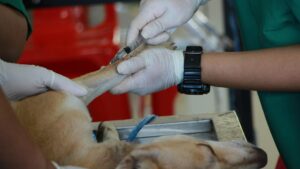
What are dog vaccinations and why are they important?
- Dog vaccinations are a crucial part of maintaining your dog’s health and well-being.
- Vaccines help prepare your dog’s immune system to defend itself against disease-causing organisms.
- Dog vaccinations are essential for preventing the spread of diseases and protecting your dog from serious illnesses.
Why Give Your Dog a Vaccine?
The way vaccines function is by boosting your dog’s immune system to provide a defense against particular illnesses. A dog that receives a vaccination becomes immune to various illnesses without getting sick. One of the best methods for preventing major health problems in dogs is vaccination.
Diseases Preventable by Vaccines
The following are a few of the most prevalent and harmful illnesses that immunizations guard against:
Common Canine Diseases
- Keeping up with your dog vaccinations is the best way to protect your pup from many different illnesses, including Canine distemper, Canine Hepatitis, Parvovirus, Rabies, and Kennel cough.
- Vaccines are essential for keeping dogs healthy and preventing the spread of diseases.
Vaccinating your dog gives you peace of mind and ensures that it is protected from these illnesses. Keeping your dog’s vaccinations current is crucial to preserving its health, regardless of whether it spends time outside, socializes with other dogs, or is exposed to other settings.
Core Vaccines for Dogs
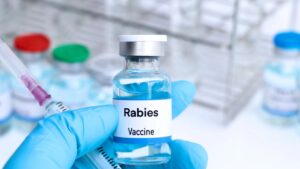
Rabies Vaccine
- The rabies vaccine is a core vaccine that is required by law in most states.
- Rabies is a deadly viral disease that affects the central nervous system and is also deadly to humans.
- The rabies vaccine is a must-have because it prevents the spread of the disease.
- A whopping 99% of rabies cases in humans are fatal.
Consider getting your dog the Lyme disease vaccine, which is a crucial supplement to core dog vaccinations. Getting your dog the Lyme disease vaccine, especially if they spend time in tick-prone areas, helps protect them from the negative effects of Lyme disease and improves their general health and well-being. Lyme disease is a serious tick-borne illness that can affect dogs and cause symptoms like fever and joint pain.
Distemper, Hepatitis, and Parvovirus (DAP) Vaccines
- The DAP vaccine protects against a combination of diseases that can spread quickly among dogs and have serious implications for canines, including severe illness and death.
- The distemper vaccine is important for protecting against this serious disease.
- The parvovirus vaccine is considered a core vaccine because it protects against a serious disease.
- The canine hepatitis vaccine is essential for protecting against this serious disease.
Non-Core Vaccines for Dogs
Leptospirosis, Bordetella, and Canine Influenza Vaccines
- The leptospirosis vaccine prevents leptospirosis infection in dogs.
- Leptospirosis is a potentially fatal infectious bacterial disease that targets the liver and kidneys of the dog or infected animal.
- The Bordetella vaccine helps minimize the spread of kennel cough, a contagious respiratory disease.
- The canine vaccinations protect dogs from a potentially severe or lethal infection.
Breeders’ Puppy Vaccination Schedule
A Comprehensive Manual for Breeders
The immunization procedure starts early in a puppy’s life for breeders. Puppies who receive vaccinations early on are protected from potentially dangerous diseases before they are exposed to them, especially when they leave their mother’s protection. The following immunization program is advised for breeders:
1st Vaccination Set (about 5 Weeks)
Puppies should get their first series of vaccinations at around five weeks of age. These include:
- The distemper vaccine prevents canine distemper, a virus that damages the respiratory, gastrointestinal, and neurological systems.
- The parvovirus vaccine protects against the highly contagious and frequently deadly parvovirus.
Second Set of Vaccines (about seven weeks)
2nd round of Vaccination Set (about 7 Weeks)
Puppies should be vaccinated against the following diseases at 7 weeks, in addition to a booster shot for the prior vaccinations:
- Distemper Booster: Increases defenses against distemper.
- Boosts immunity against parvo using Parvovirus Booster.
- The Bordetella vaccine guards against the infectious respiratory disease known as kennel cough.
- The vaccine against leptospirosis protects against a bacterial infection that can harm the kidneys and liver.
Third Round Vaccine (about 9 weeks)
Puppies should have a second dose of the second series of vaccinations at 9 weeks. This guarantees that their immune systems are ready to combat any possible illnesses.
Vaccine against Rabies (about 16 weeks)
Puppies ought to be vaccinated against rabies by the time they are 16 weeks old. A rabies vaccination is essential for the dog’s health and public safety as rabies is a zoonotic illness, which means it can spread from animals to people.
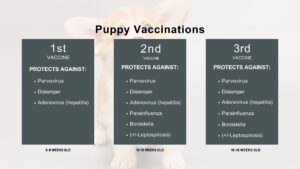
Puppy Vaccination Schedule
- Puppies need core vaccines at 6-8 weeks, 10-12 weeks, and 16-18 weeks.
- Puppy vaccinations have been medically proven to combat many preventable diseases and illnesses.
- Adhering to a puppy vaccine schedule is synonymous with responsible puppy care.
Schedule of Vaccinations for Home Pet Owners Each Year
Adult Dogs’ Annual Vaccinations
Regular booster shots are crucial for maintaining your dog’s immunity as they become older. Despite being vaccinated multiple times throughout the first few months of life, puppies’ immunity may gradually begin to decline. Booster vaccinations must be administered annually to keep your dog completely protected.
Important yearly vaccinations
The following vaccinations are required for your dog each year:
The DHPP vaccine (distemper, hepatitis, parvovirus, and parainfluenza) offers protection against many illnesses in a single dose.
Bordetella Vaccine: The Bordetella vaccine is necessary to prevent kennel cough if your dog frequently interacts with other dogs (for example, at dog parks, boarding houses, or groomers).
Leptospirosis Vaccine: This vaccine will shield your dog from the bacterial infection known as leptospirosis if they come into contact with possibly tainted water sources.
Rabies Vaccine: This vaccine guards against the deadly rabies virus and is mandated by law in the majority of places.
Adult Dog Vaccination Schedule
- Adult dogs need booster shots every 1-2 years, while senior dogs may need more frequent shots.
- A dog vaccination schedule consists of periodic adult boosters, which are combinations of the same type of DHPP vaccine administered to puppies, along with several other additions.
- When dogs come in for their first one-year visit, we recommend boosting their DHPP, Leptospirosis, and Rabies vaccines, as well as Canine Influenza and Lyme if the lifestyle of the dog requires these vaccines.
Maintain a Vaccination Record
Maintaining a record of your dog’s immunization routine is crucial. You may keep note of when each vaccination is due and your veterinarian will provide you a history of vaccinations. By doing this, you can make sure your dog continues to receive their vaccinations on schedule.
What to expect during a vaccination consultation
To make sure your dog is healthy and able to receive the vaccines, a thorough medical examination is usually part of the appointment when you take them to the veterinarian. The veterinarian could enquire about your dog’s lifestyle, such as whether they spend time outside or interact with other animals.
Your dog will get the required vaccinations after the examination is finished. Mild side effects, like modest weariness or injection site pain, are possible for certain dogs. Usually transient, these adverse effects go away on their own.
Disclaimer & Customised Method
It’s crucial to keep in mind that every dog is different, even if the immunization recommendations given here are generally applicable. Age, health, and lifestyle can all have an impact on the particular vaccinations your dog requires. For specific guidance and recommendations, always get counsel from your veterinarian.
Here are some FAQs
What are the essential dog vaccinations?
The core immunizations guard against the most prevalent and dangerous illnesses, including as rabies, hepatitis, parvovirus, and distemper.
The DHPP vaccine: what is it?
A combined vaccine, the DHPP guards against parvovirus, hepatitis, distemper, and parainfluenza.
Booster shots: what are they?
Booster shots are immunizations administered on a regular basis to preserve disease resistance. Over time, your dog’s immunity from the first immunizations will diminish, but these shots will keep them safe.
What is the vaccine for rabies?
One essential vaccine that guards against rabies, a fatal virus that can infect people, is the rabies vaccine. It is crucial for public health and mandated by law in many places.
Can pet Dogs have vaccine reactions?
Indeed, vaccinations can cause adverse responses in pets, including dogs. The majority of responses are modest and include moderate fever, injection site discomfort, or slight tiredness. In rare cases, dogs may experience more severe responses such as vomiting, breathing difficulties, or edema. After your dog’s immunization, always contact a veterinarian if you observe anything out of the ordinary.

What if my dog misses vaccinations?
It’s critical to get your dog back on track as quickly as possible if they miss a vaccination. Usually, the veterinarian will advise beginning or continuing the vaccination series, particularly for essential vaccinations like distemper or rabies. How far behind your dog is will determine when and how many dosages are required.
Do older dogs still need booster vaccination?
In general, older dogs still require booster shots, particularly for parvovirus, rabies, and distemper. Boosters are necessary to maintain immunity, even though some vaccinations may last longer in older dogs. Your veterinarian will decide on the ideal vaccination regimen based on your dog’s age and overall health.
How do you prepare your dog for vaccination?
Make sure your dog is healthy prior to the visit in order to prepare them for immunization. If your dog is nervous, think about employing relaxing methods like a calming pheromone spray or going for a walk first. To make the visit more enjoyable, you might also bring their favorite food or toy. Verify that your dog has received all necessary medical attention.
What happens if my dog gets sick when vaccinated?
It is not advised to vaccinate your dog if they are already ill or ill at the time of the vaccination until they have recovered. The optimum time to vaccinate your dog is when they are healthy because illness might alter how the immune system reacts to the shot. If your dog is feeling ill before to a planned vaccine, get in touch with your veterinarian.
Do vaccines provide 100% protection?
Vaccines greatly lower the chance of serious illness, but they do not provide 100% protection. Vaccines reduce the likelihood that your dog may become unwell by assisting the immune system in identifying and fending against particular viruses. However, no vaccine is 100% effective, and a dog’s age and general condition can affect how they react to vaccinations.
Addressing Common Concerns and Myths
Separating Fact from Fiction
- Even indoor dogs can be exposed to viruses and bacteria.
- Core vaccinations are crucial for all dogs, regardless of lifestyle.
- Vaccinations have side effects, but they are typically short-term and rare.
- The benefits of vaccinations far outweigh the risks.
Conclusion, Protecting Your Dog’s Health
One of the best things you can do for your dog’s health and well-being is to vaccinate them. Keeping your dog’s vaccines current not only shields them from potentially deadly illnesses but also contributes to the protection of the pet community as a whole. Keeping track of vaccines will provide you peace of mind and help your dog live a long, healthy life, whether you’re a breeder overseeing puppies or a pet owner with an adult dog.

Vaccines are a cornerstone of canine health. Booster vaccines are important to keep your dog’s immune system up to date. By understanding the importance of dog vaccinations and following a recommended vaccination schedule, you can help protect your dog’s health and well-being.
Call to Action: Take immediate action to keep your dog safe. To discuss your dog’s vaccine requirements, schedule a consultation with your veterinarian right now!

